EXPLORING THE LIFE SCIENCES
Resources for Students, Teachers, and Career-Changers

Oregon's life science sector is thriving with over 500 companies working in biotechnology, pharmaceuticals, medical devices, diagnostics, and digital health. Whether you're a student exploring your future, an educator inspiring the next generation, or a professional considering a career change, this guide will help you navigate opportunities in Oregon's dynamic life science industry.
What is Life Science?
Life science focuses on studying living organisms—their structure, function, growth, and interactions with the environment. It encompasses biology, chemistry, genetics, and ecology, playing a crucial role in advancing medicine, agriculture, and environmental science. Modern life science provides breakthrough technologies to combat diseases, create sustainable solutions, and improve lives.
Career Opportunities in Life Science
Life science offers diverse career paths for people with different educational backgrounds—from high school diplomas and certificates to advanced degrees. Common career areas include:
- Research & Development: Scientists, research associates, lab technicians
- Manufacturing: Process engineers, biomanufacturing specialists, production technicians
- Quality & Regulatory: Quality assurance specialists, regulatory affairs, compliance
- Clinical Research: Clinical trial coordinators, data managers
- Business & Operations: Project managers, sales representatives, business development
Join the Biotech Revolution — Oregon
To learn more about how these roles fit into Oregon’s broader bioscience ecosystem, explore Join the Biotech Revolution — Oregon, a career guide to schools, types of jobs, salary info and more. The resource explains why biotech matters in Oregon, the roles and skills employers are seeking, and how education, training, and apprenticeships connect people to in-demand careers across the state.
Explore Careers with Rad Lab
Rad Lab is a free game for ages 13-24 that lets you experience biotech careers through interactive gameplay. The game uses geofencing to connect you with real Oregon life science companies and educational pathways.
Learn how to download and play | Download a flyer
Oregon Life Sciences Workforce Programs
Access Bio Manufacturing Apprenticeship*
Earn while you learn! This registered apprenticeship offers paid training in biomanufacturing with no cost to participants.
- What You Get: Two-week readiness training ($500/week stipend) + full-time paid job with benefits
- Starting Pay: Training wage increases to at least $21/hour by completion
- Programs: 1-year Bioscience Technician or 2-year Quality Control Technician
- Outcome: Nationally-recognized credential + potential permanent placement
Apply at oregonlifesciences.org/apprenticeship
BioCatalyst Professional Certificates*
Free 80-hour online certificate program for unemployed/underemployed Oregon professionals (no recent graduates). Prepares you for quality assurance and medical device careers through industry-recognized training.
- Includes: Career workshops, networking with hiring managers, LinkedIn training
- Requirements: Oregon resident, previous work experience, high school diploma/GED
Learn more at oregonlifesciences.org/biocatalyst
*These programs are currently funded through Future Ready Oregon Workforce Ready Grants. Program availability is subject to continued funding.
BioPro Training Classes
Industry-specific professional development taught by experts. Topics include quality assurance, regulatory compliance, FDA requirements, and manufacturing practices. Over 3,400 professionals trained. Preferred pricing for Oregon Life Sciences members.
oregonlifesciences.org/biopro | Contact: julie@oregonlifesciences.org
Oregon Educational Programs
Portland Community College - Bioscience Technology
1,000+ hours of hands-on training developed with industry partners. Graduates average $24/hour starting pay (industry average $88K annually).
- Options: Certificates and Associate degree in Bioscience Technology
- Includes: Internship placement, industry-standard lab training
pcc.edu/programs/bioscience | Email: biosciencetechnologyadvising-group@pcc.edu
Oregon Health & Science University (OHSU)
- PhD programs in Biomedical Sciences (Cancer Biology, Immunology, Neuroscience, etc.)
- Summer research programs for undergraduates
- MD, Biomedical Engineering, and other health science programs
University of Oregon
- Undergraduate Research: Hands-on research opportunities in biological sciences
- Biology Program: Comprehensive biology degree with bioscience career pathways
- Phil and Penny Knight Campus for Accelerating Scientific Impact: Cutting-edge research facility focused on translating scientific discoveries into therapies and technologies
Oregon State University - College of Science
- Biology: 8 degree options, 74% medical school acceptance rate
- Biochemistry & Molecular Biology: Protein engineering, genetic research
- BioHealth Sciences: Pre-professional tracks (medicine, dentistry, pharmacy, etc.)
- Bioengineering: Medical device design, bioscience-based industries
- OSU-Cascades Biology Program: Biology degree in Bend with connections to Central Oregon biotech employers including ThermoFisher Scientific
Building Your Skills
For Students:
- Take STEM courses and participate in science competitions
- Seek research experience in university labs
- Complete summer internships at Oregon companies
- Join science clubs and professional student organizations
- Learn coding (Python, R) and data analysis skills
For Career Changers:
- Enroll in workforce programs (Access Bio, BioCatalyst, BioPro)
- Gain certifications in quality systems, laboratory techniques, or project management
- Attend networking events and informational interviews
- Consider community college certificate programs
Networking & Community
- Oregon Life Sciences: State trade association with networking events, job boards, career fairs
- Oregon Bio Women: Professional women's network with monthly events and mentorship
- Bio Impact:
- Career Fairs: Connect with employers at university and industry-hosted events
FAQ
Q: Do I need a graduate degree?
A: No! Many careers are available with certificates, associate degrees, or bachelor's degrees. Advanced degrees help for certain research roles and leadership positions, but industry experience can be equally valuable.
Q: When should I start looking for jobs/internships?
A: Start early! Companies post internships October-February. For full-time jobs, begin searching 6-9 months before graduation.
Q: Small company vs. large company?
A: Small companies offer close-knit teams and broader responsibilities. Large companies provide higher starting salaries, structured career paths, and more benefits. Both offer great experiences!
Additional Resources
- InnovATEBIO Biotech Careers - Job board and career resources
- My Next Move - Interactive career exploration tool
- Welcome to Biotech Careers - Entry-level opportunities and industry insights
Get Started Today!
- Explore workforce programs (free training available!)
- Attend a PCC, OHSU, or OSU information session
- Join Oregon Life Sciences for networking and resources
- Play Rad Lab to explore careers
- Connect with professionals on LinkedIn
- Attend a career fair or industry event
New & Noteworthy
Join our e-mail list
Get the latest Oregon Life Sciences communications delivered to your inbox. Includes events, news, members benefits, and more.
Announcing Rad Lab
Explore life science careers with Rad Lab, a free-to-play game for ages 13-24. Learn vital skills and discover career opportunities in Oregon's life science sectors.
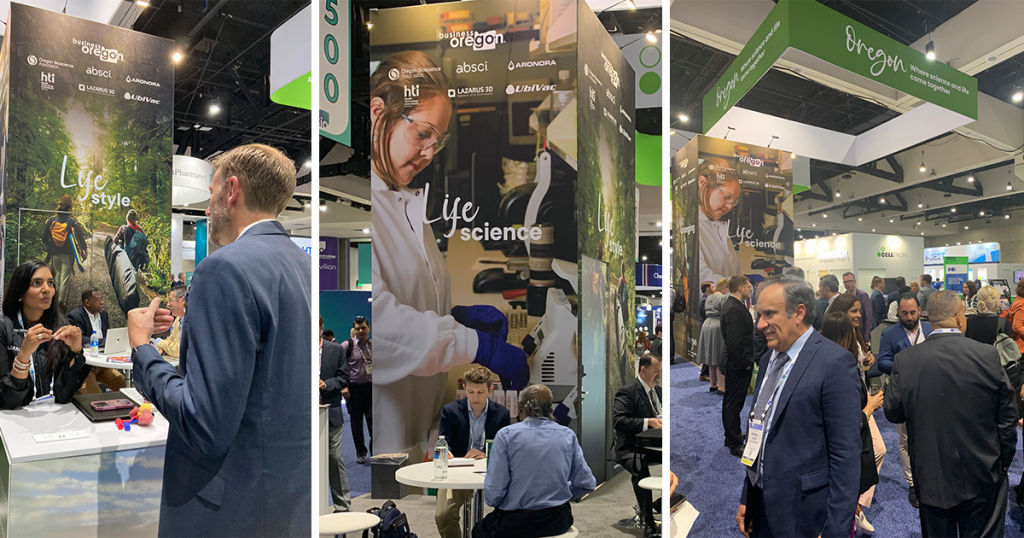
Oregon Pavilion at BIO 2026
Join the Oregon Pavilion at BIO 2026, this coming June in San Diego! Connect with global biotech leaders. Learn how to partner today!