Voices of Academia: Josh Cary - PCC
Josh Cary, instructor and faculty co-chair of the Bioscience Technology (BIT) program at Portland Community College, in our Voices of Academia Q&A series, shares his path into the life sciences, the role BIT plays in Oregon’s bioscience ecosystem, and how PCC is preparing students for a rapidly evolving workforce.
 Tell us a bit about yourself and how you became involved in the life sciences and in teaching.
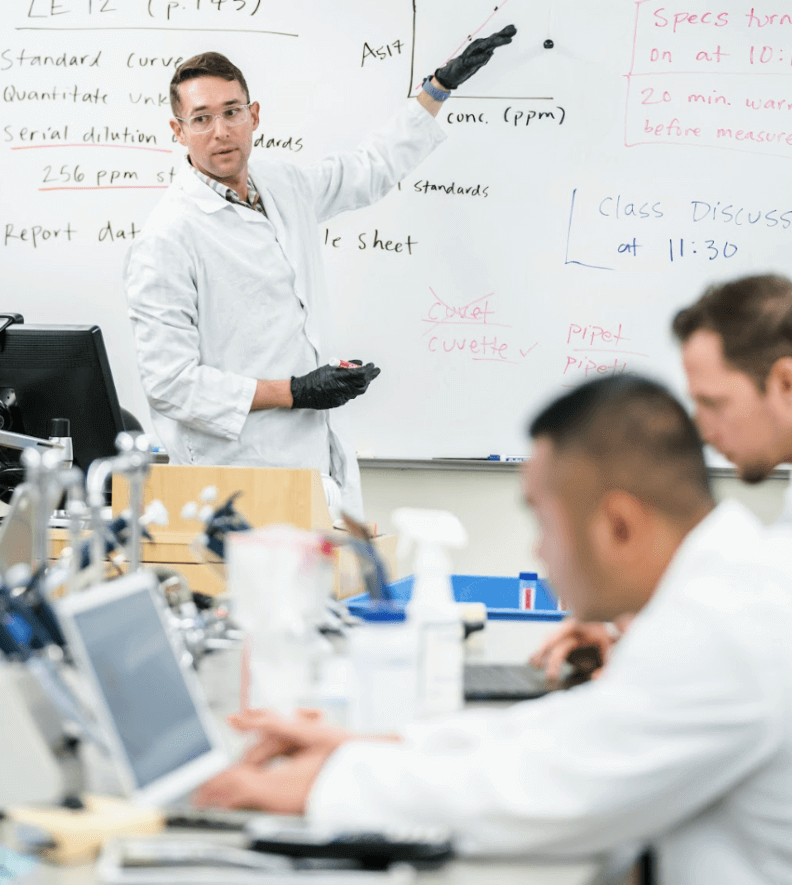
I’ve been at PCC for twelve years, with prior experience in bioscience research and industry as well as teaching biology and chemistry at several colleges. My life science industry experience started with a summer internship at a biotechnology company in San Diego which led to a full-time position at the company after I completed my degree. And my teaching practice began when one of my biochemistry professors invited me to participate in a senior year research project that included teaching responsibilities. I love bringing together the various aspects of my experiences in science classrooms and at the lab bench to develop my current teaching practice.
What role does the BIT program play within Oregon’s life science community?
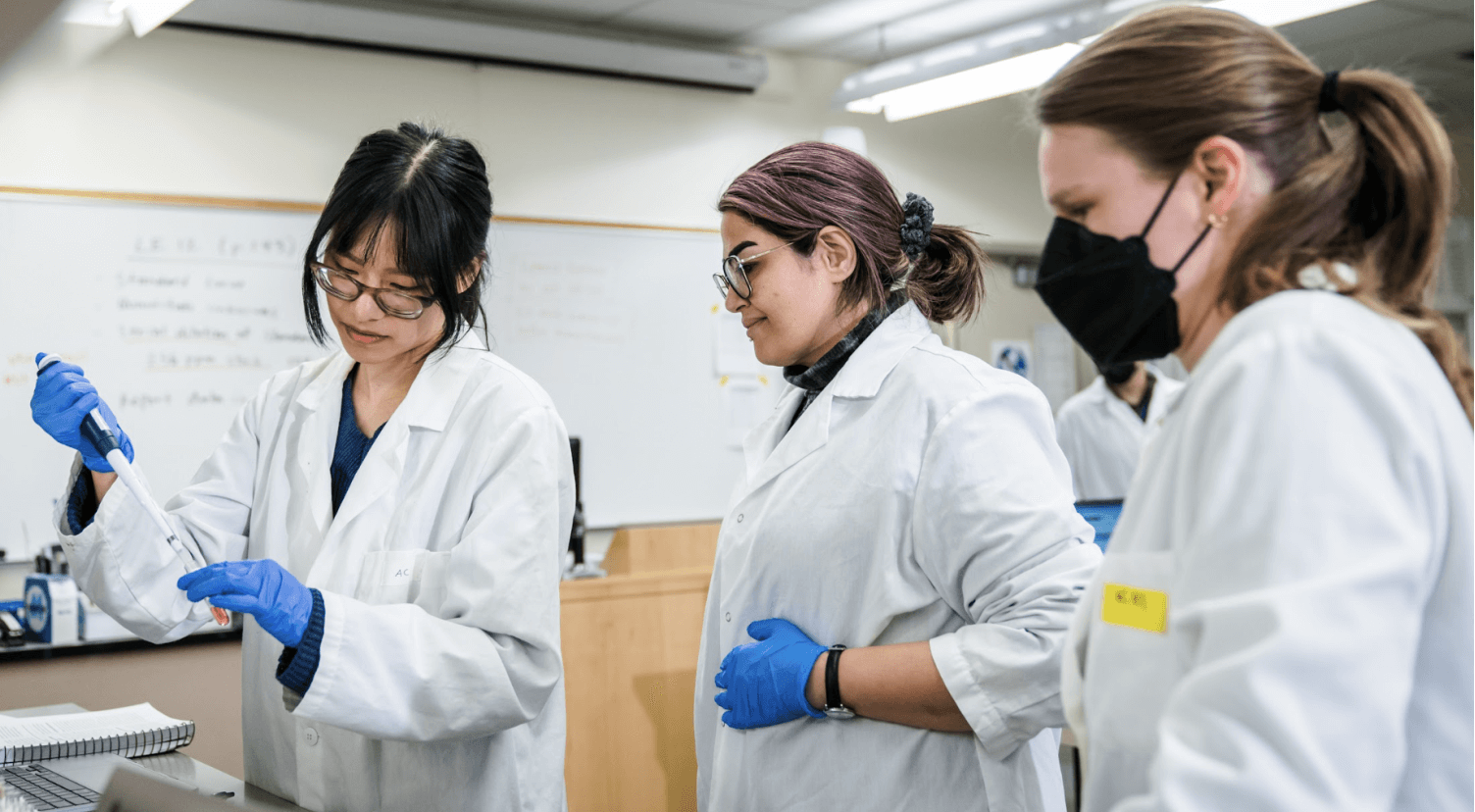
The Bioscience Technology program is a career-technical education (CTE) program designed to offer students a significant amount of hands-on technical experience, an awareness of the skills and mindsets required for success in the bioscience industry, and the professional connections to explore and begin careers in the life sciences. Within the life science community, the program serves as a bridge for a diverse range of individuals interested in the life sciences to gain a foundational skill set and professional network in order to enter the industry. The program also builds awareness of life science career pathways in the community by partnering with numerous high schools, youth programs, and other community partners to raise the visibility of the life science industry within our region.
What is the scope of the program in terms of curriculum and degrees?
Students in the Bioscience Technology program have multiple options, ranging from a 19-credit certificate completed in six months to an Associate of Applied Science (A.A.S.) degree that is typically completed in two years and includes up to 1,000 hours of hands-on experience. All students begin with a common set of 100-level courses that provide a rigorous foundation in:
- Operating, calibrating, and troubleshooting of laboratory equipment
- Preparing
- Understanding of quality systems and working in regulated environment
- Exploring industry sectors and career paths to identify a fit with their emerging interests and skill sets.
Students who go on to complete the A.A.S. degree have many options in 200-level courses featuring advanced laboratory techniques in mammalian cell culture, immunochemical methods, recombinant DNA techniques, protein purification, and more. Students can also customize their degree by choosing electives in technical writing, computer programming, mechanical skills, and other course options to develop a skill set targeted for specific industry sectors.
In what ways is this program unique?
PCC’s program is unique in being the only community college (two-year) bioscience program in Oregon. As a member of the InnovATEBIO network, we collaborate with regional and national academic partners in preparing curriculum and developing education and training relevant to the bioscience industry. We then provide this training to Oregonians through the certificate and degrees offered at PCC.
The other truly unique aspect of our program is our students! A typical cohort in BIT includes students from multiple generations and backgrounds, with diverse professional experiences, all while sharing an interest in bioscience and passion for making a difference.
What trends are you seeing in the life science workforce and how is PCC responding?
One trend we are seeing is a growing level of automation throughout the industry. The BIT program is responding by updating the equipment in our lab, including automated liquid handlers and other devices that allow for increasing automation. At the same time, we maintain a focus on critical thinking and troubleshooting so that students stay in the loop and understand how to monitor automated workflows, appraise the outputs, and intervene when needed. Related to this trend from manual production to evaluation of automated processes, we also hear from employers that the “ability to take initiative” is increasingly critical both in research and development work as well as the continuous improvement of industrial processes. We encourage this mindset throughout the curriculum and provide opportunities for students to take academic, professional, and personal initiative in and out of the classroom.
What’s on your wishlist? What would you like to offer and what would the benefits be?
Cutting-edge science requires both thoughtful inquiry and modern technology, and we’re always on the lookout for ways to increase our capacity on both fronts. A permanent fixture of my wishlist is to continue to meet bioscience professionals at all stages of their careers who want to connect with students. Guest speakers, mock interviews, and other class activities that bring in industry partners are informative and invaluable. It’s a win-win as students gain perspectives on science in action and our industry guests provide input and guidance to aspiring professionals.
And while our laboratory at the PCC Rock Creek campus is largely built out, we are also developing partnerships to increase our capacity for technical training at new locations. One such partnership is through PCC’s new teaching cleanroom located at Willow Creek . We are bringing students and industry partners together to learn about aseptic processing and automated equipment used in the cleanroom, translating students’ knowledge base and bench-scale lab experience into industry settings. Growing our professional network and training infrastructure allow us to continue serving as a bridge between students and industry.